



The NeuroWES Project: ten years of genomic research advancing the diagnosis of neurodevelopmental disorders
A new international collaborative study involving the NeuroWES Consortium, with the contribution of the research team led by Andrea Angius at the CNR-Istituto di Ricerca Genetica e Biomedica (IRGB), has provided important insights into the genetic basis of neurodevelopmental disorders through the analysis of one of the largest Italian [...]

A seven-gene signature to improve precision medicine in colorectal cancer
A recent study led by researchers from the Institute for Genetic and Biomedical Research of the National Research Council (CNR‑IRGB), in collaboration with the University of Sassari, has identified a novel genomic signature capable of improving survival prediction in patients with colorectal cancer. The article, published in Oncology [...]
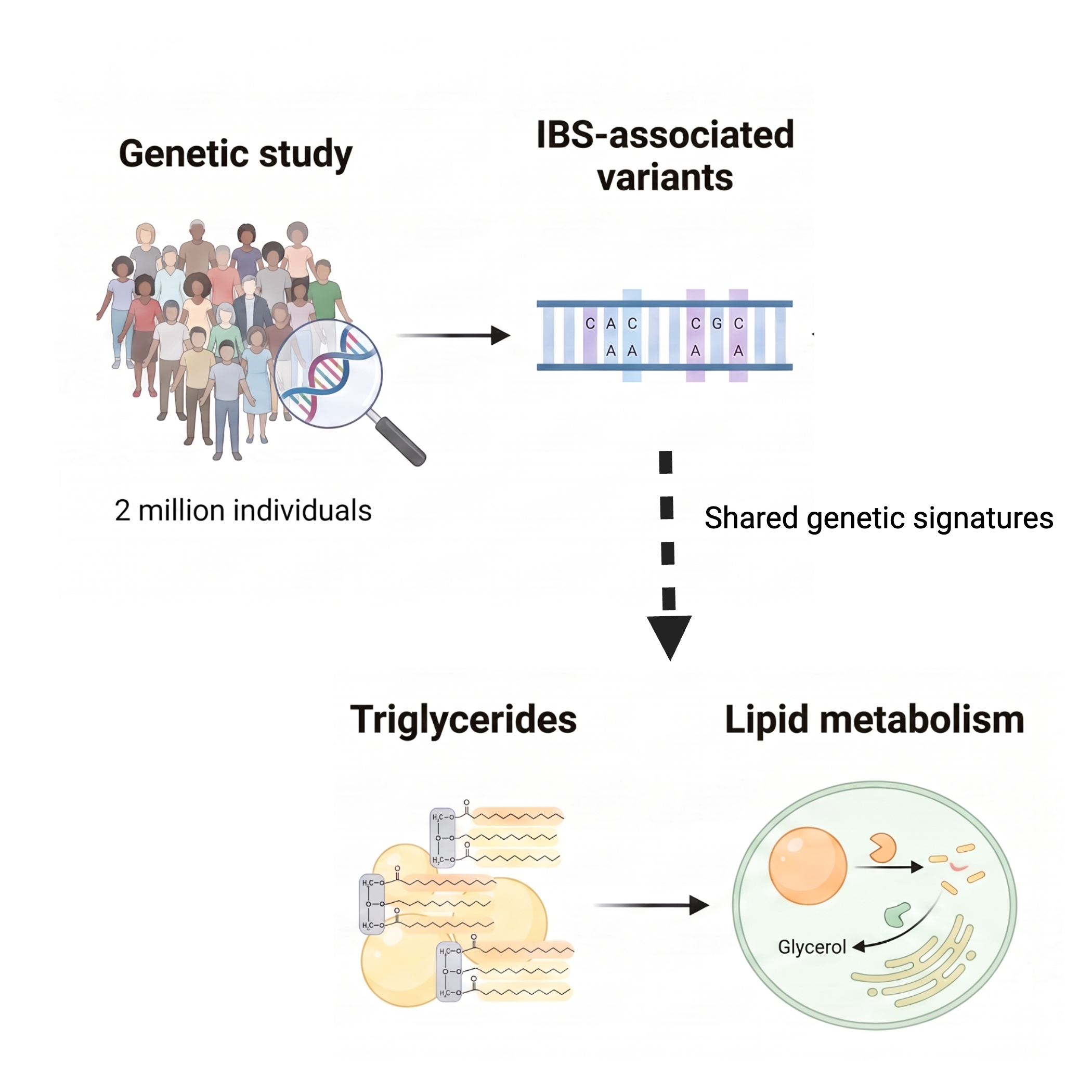
Genetic study links irritable bowel syndrome to lipid metabolism and triglyceride regulation
A new collaborative international genetic study led by Prof. Mauro D’Amato from the CIC bioGUNE in Spain and LUM University in Italy, with contributions from the research group of Dr. Serena Sanna at CNR‑IRGB, has identified genetic factors that link irritable bowel syndrome to lipid metabolism and triglyceride [...]
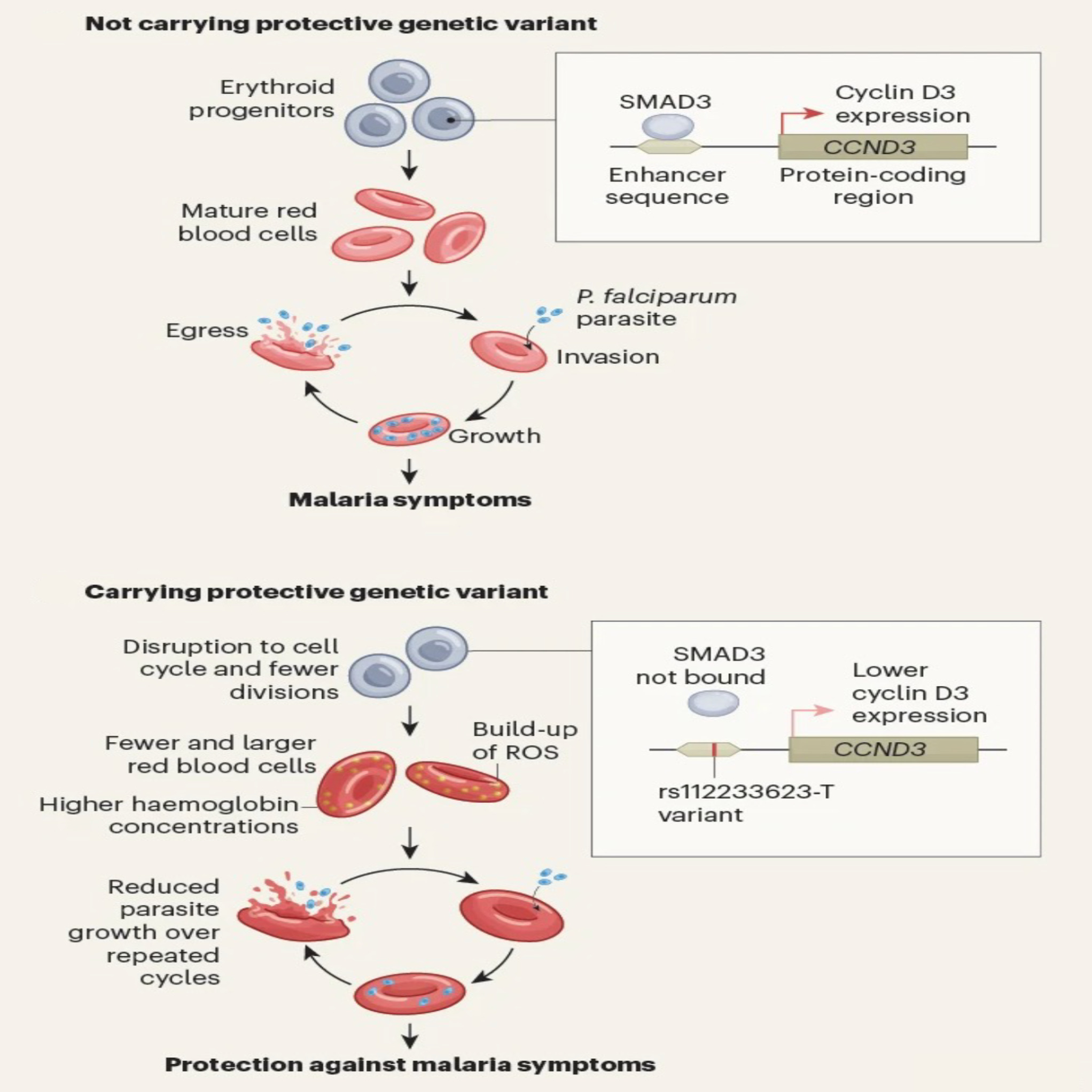
New genetic mechanism of protection against malaria discovered
A study led by Prof. Francesco Cucca, has revealed a new genetic mechanism that protects against malaria. Conducted by a team primarily consisting of researchers from the Institute for Genetic and Biomedical Research of the National Research Council (CNR-IRGB) and the University of Sassari, [...]
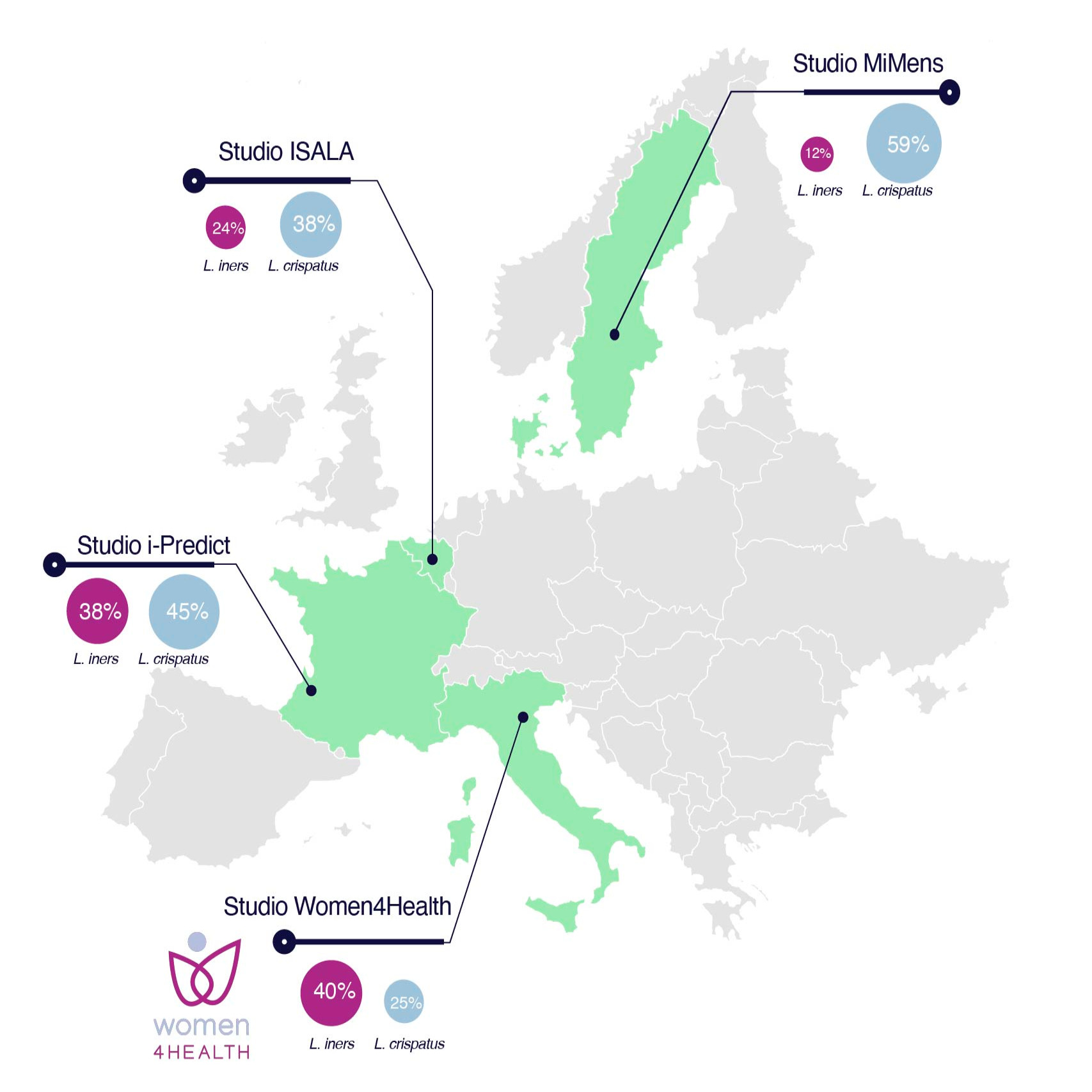
Geographical Differences in Vaginal Microbiota Highlighted by Italian Cohort Study
A study conducted by the Institute for Genetic and Biomedical Research of the National Research Council (CNR‑IRGB), in collaboration with the IRCCS Burlo Garofolo in Trieste, has revealed that healthy Italian women display a vaginal microbiota composition that differs markedly from that of women in Northern Europe. The [...]

Genetic study links gut motility to vitamin B1
A new collaborative international genetic study led by Prof. Mauro D’Amato from the CIC bioGUNE in Spain and LUM University in Italy, with contributions from the research group of Dr. Serena Sanna at CNR‑IRGB, has identified genetic factors that influence bowel movement frequency. The study was Published in Gut, [...]
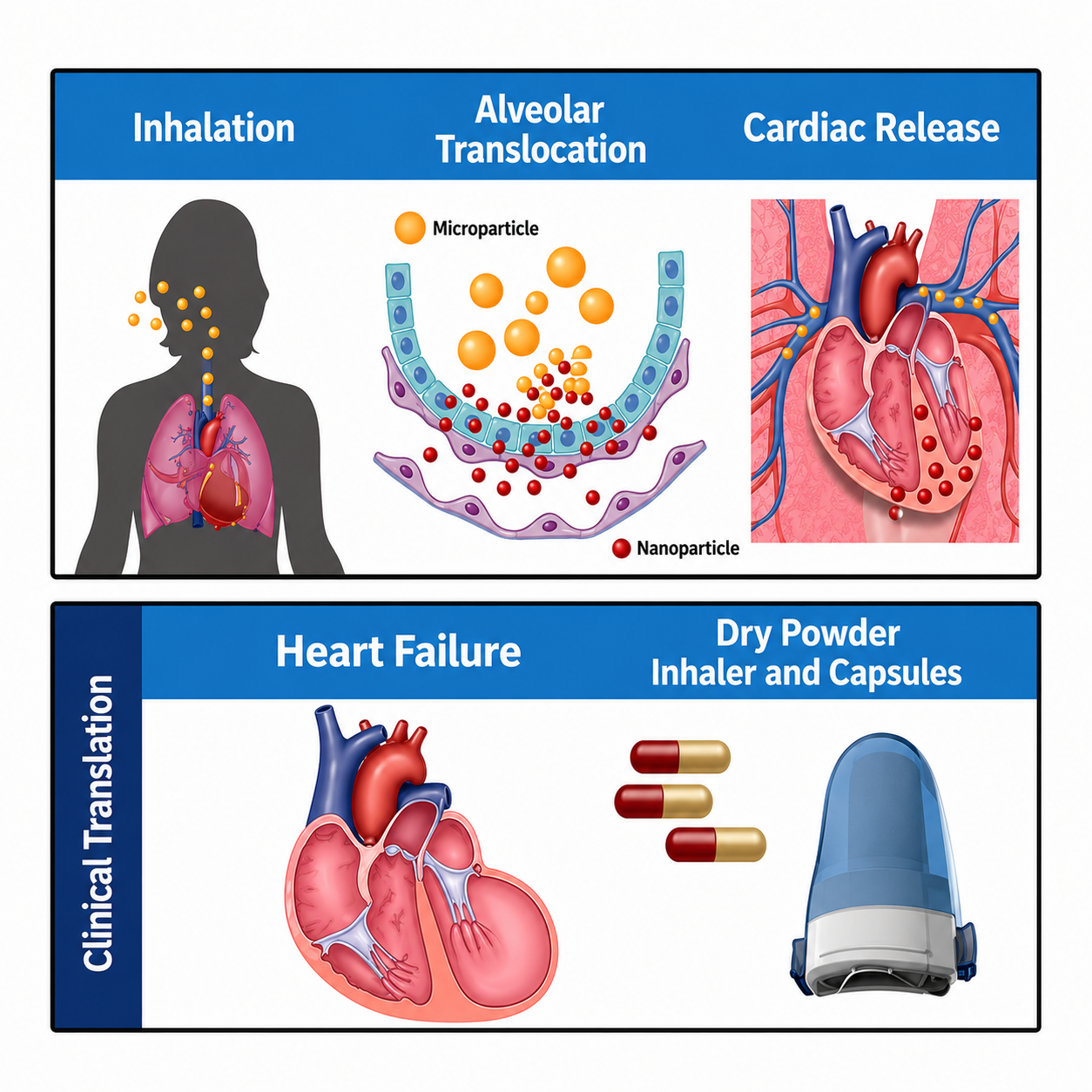
Lung-to-Heart Nano-in-Micro Peptide Promotes Cardiac Recovery in a Pig Model of Chronic Heart Failure
Lung-to-Heart Nano-in-Micro Peptide Promotes Cardiac Recovery in a Pig Model of Chronic Heart Failure In this study, the authors sought to assess tolerability and efficacy of an inhalable lung-to-heart nano-in-micro technology (LungToHeartNIM) for cardiac-specific targeting of a mimetic peptide (MP), a first-in-class for modulating impaired L-type calcium channel (LTCC) [...]

Double recognition for Serena Sanna, Head of Research
07/11/2023 Double recognition for Serena Sanna, Research Director at the Institute for Genetic and Biomedical Research (Cnr-Irgb) in Cagliari: on Monday, November 13 in Rome, at the Protomoteca Hall of the Capitoline Hill, she receives the “Marcello Sgarlata Research Award”. The prize is granted, upon nomination by the President [...]